
The End of Ask Jeeves: What It Means for the Future of Search
The End of an Era: Ask Jeeves and the Dawn of Natural Language
The recent closure of Ask.com, originally launched as Ask Jeeves in 1996 by Garrett Gruener and David Warthen, marks the formal end of an internet pioneering era. Long before Google dominated the digital landscape, Ask Jeeves introduced a revolutionary concept: allowing users to search the web using natural, plain-English questions rather than rigid, mechanical keywords. Represented by a friendly cartoon butler mascot named after P.G. Wodehouse’s fictional character, the search engine made the early, intimidating World Wide Web feel accessible and human. At its peak during the dot-com boom, the platform handled over a million queries daily, standing shoulder-to-shoulder with early giants like Yahoo and AltaVista. Its algorithmic approach shifted when it acquired Teoma in 2001 to improve organic search results. However, as the search landscape consolidated, maintaining organic search technological superiority proved difficult. Today, the core philosophy pioneered by Jeeves—conversational, intent-driven query resolution—has returned to the forefront of technology, laying the structural groundwork for how modern search systems and conversational agents operate.
The Shift to Algorithmic Dominance and Modern SEO Realities
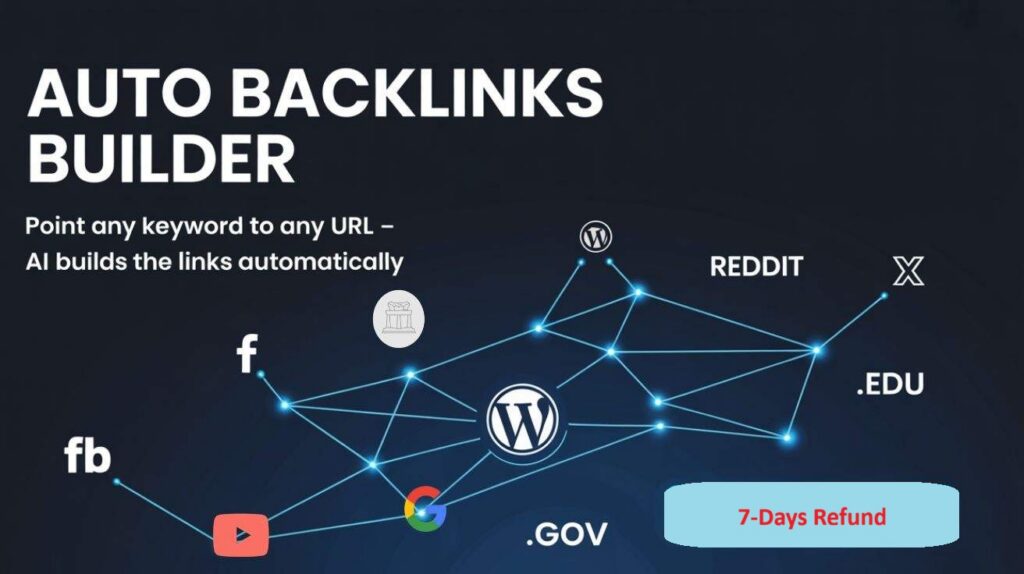
The decline of Ask Jeeves highlights the brutal evolution of search engine optimization and algorithmic sophistication. Google’s PageRank algorithm redefined the industry by prioritizing link equity and web authority. While Ask.com tried to compete by rebranding and acquiring technologies, it ultimately could not match Google’s scale. In 2010, parent company IAC ceased proprietary web crawling, outsourcing its core search to third parties and pivoting to a Q&A community model. This transition underscores how critical mathematical search authority became. In the modern era, webmasters often seek rapid ways to establish authority, sometimes relying on tools like an Auto Backlinks Builder to artificially inflate search presence. However, search engines evolved to prioritize genuine contextual alignment over sheer link volume. Today, achieving high search engine visibility requires a strict focus on topical depth and domain authority. Modern algorithms look past superficial metrics, penalizing low-effort link schemes and rewarding websites that demonstrate authentic expertise, trustworthy sourcing, and user engagement.
From Butler to Bot: How Natural Language Shapes the Future of Search
The closure of Ask.com completes a fascinating historical loop. The conversational search format pioneered by a cartoon butler in 1996 has become the standard for the modern web, powered by large language models and semantic AI. For content creators and digital marketers, this shift demands a fundamental change in strategy. Simply targeting exact-match keywords is no longer sufficient; instead, content must satisfy complex user intent and provide comprehensive answers. As search engines transition into answering engines, the role of an AI Content Aggregator has grown, compiling synthesized summaries directly on search results pages. To survive in this ecosystem, digital publishers must optimize for semantic Relevancy, structuring information so search crawlers can easily parse and display it as direct answers. Success in this new landscape means focusing on structured schema markup, answering specific user questions clearly, and building deep topical authority. By understanding this evolution, publishers can adapt their SEO playbooks to ensure their content remains visible and authoritative in an era where AI-driven conversational search is the new normal.

Source: Ask Jeeves Search Engine Discontinues Operations After 29-Year Run