
Query vs Conversion Intent: Mastering Modern Search SEO
Decoding Query Intent vs. Conversion Intent
Understanding the distinction between what a user types and what they actually want to achieve is the cornerstone of modern search marketing. Query intent refers to the literal phrasing a user enters into a search bar, voice assistant, or AI interface. For instance, a search for ‘purple hair dye’ indicates an interest in a product but lacks specific contextual nuances. Conversely, conversion intent represents the deeper, human objective driven by implicit and explicit signals, such as search history, demographic indicators, and past interactions. As search queries evolve to become more conversational and less reliant on strict syntax, marketers must pivot from keyword-matching to intent-matching. This shift requires a deep understanding of semantic Relevancy. By looking beyond the exact letters typed, businesses can decode whether a user is merely seeking information or is actively preparing to make a purchase. Achieving this level of sophistication ensures that your landing pages and ad copy directly address the searcher’s underlying needs, transforming casual searchers into high-value customers.
The Pitfalls of Syntax-Only Strategies & Modern Risks
Relying solely on syntax-oriented keyword strategies poses significant risks in an era dominated by AI and machine learning. Traditional setups often fail because they treat all search terms with the same transactional weight. For example, if your brand relies on a basic AI Content Aggregator to pull generic industry topics, you might attract high-volume informational traffic that never converts. The risk here is budget waste and diluted engagement metrics. Search engines now utilize close variants to bridge the gap between syntax and true intent, meaning marketers who cling to exact-match phrases are missing out on nuanced long-tail opportunities. If a user searches for ‘purple hair dye for long wavy hair,’ they have a highly specific conversion goal that requires specialized product messaging, not a generic category page. Aligning with these complex journeys requires analyzing multi-channel data touchpoints, including site search behavior, content consumption patterns, and post-click activity. Without this holistic view, your campaigns remain blind to the subtle behavioral signals that separate a casual browser from an eager buyer.
Actionable Strategies to Align User Intent
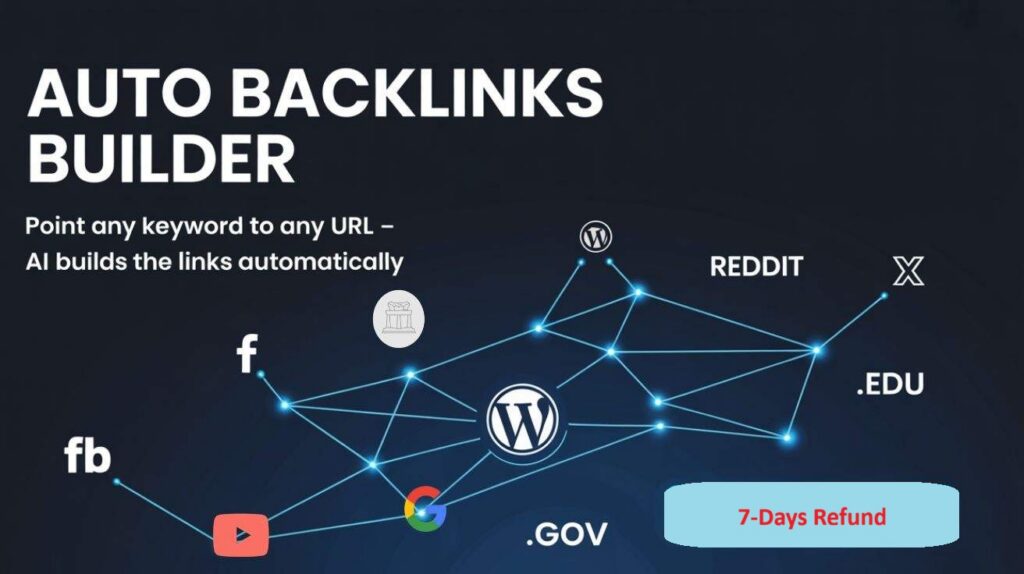
To effectively bridge the gap between query and conversion intent, digital marketers must implement multi-layered optimization strategies. Start by auditing your landing pages to ensure they serve the specific depth of the user’s journey. For transactional queries, streamline the path to purchase with clear call-to-actions, whereas informational queries should be met with robust, educational content. If you are building organic authority, avoid shortcut methods like a low-quality Auto Backlinks Builder, which can trigger spam penalties; instead, focus on earning authoritative editorial links that align with your core audience’s interest. Use platform-agnostic tools to track post-click engagement, scroll depth, and micro-conversions. These actions provide concrete proof of conversion intent, allowing you to build highly targeted remarketing lists. Additionally, leverage search query reports to identify negative keywords that drive high-volume informational clicks but zero sales. By continuously refining your targeting based on real human actions rather than static keyword lists, you maximize your marketing return on investment and build a resilient search presence.

Source: Query intent vs. conversion intent: Why the difference matters