Google Core Update: Why Brand Sites Outrank Aggregators
The Demise of Middlemen: How Google’s Core Update Favors Content Originators
The search engine optimization landscape underwent a massive paradigm shift following Google’s March core update. Data compiled by Amsive using the SISTRIX Visibility Index revealed a stark reality: search visibility is shifting dramatically away from informational middlemen and toward primary source creators. For years, platforms operating as an AI Content Aggregator or relying heavily on user-generated content (UGC) dominated the search results. Google’s algorithm correction targeted this over-indexing, choosing instead to reward the actual “owner of the thing” rather than the platform discussing it. In sectors like travel and employment, transactional giants and aggregators like Expedia and Indeed saw temporary or sustained visibility drops, while direct brand sites like Hilton and government domains like USAJobs gained. This structural change highlights a fundamental pivot in how search engines define quality. Rather than rewarding pages that simply compile information from across the web, Google is actively prioritizing first-party businesses, local entities, and authoritative government portals that can directly resolve a user’s query.
Data Trends: Analyzing the Winners, Losers, and Algorithm Volatility
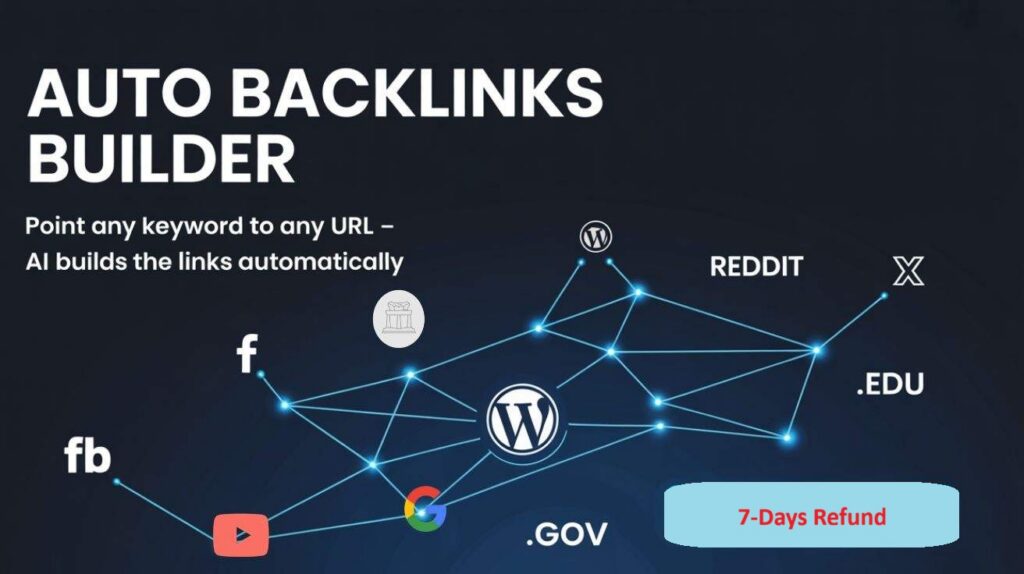
The update’s impact was felt heavily across high-intent categories, including travel, finance, health, and jobs. Even digital giants like YouTube experienced massive visibility drops, shedding 567 visibility points, though analysts note this was largely a correction of a previous upward surge. In the health sector, general consumer health publishers faced visibility declines, whereas authoritative institutions like the National Institutes of Health (NIH) saw notable gains. However, this volatility was not entirely permanent; some platforms, including Reddit and Indeed, demonstrated quick bounce-back capabilities shortly after the update concluded. This fluctuating data suggests that while Google is tightening its grip on content quality, the algorithm is also constantly calibrating. What is clear is that legacy shortcuts to authority—such as using an Auto Backlinks Builder to inflate search engine rankings artificially—are increasingly ineffective. Google’s sophisticated systems are looking past raw link metrics to evaluate the true Relevancy of a domain’s offering, prioritizing sites where users can complete tasks directly rather than clicking through endless directories.
Actionable SEO Strategies to Survive and Thrive Post-Update
To succeed in this new era of search, digital marketers must pivot their strategies from mere curation to genuine creation. First, brands should audit their content to ensure they are presenting unique, first-party data and insights that cannot be easily replicated by competitors. If you operate an e-commerce or service business, focus on optimizing your direct product and landing pages to facilitate immediate task completion. Second, move away from thin syndication and low-effort link building; instead, build real, contextually relevant digital footprints. Cultivating Relevancy in your niche means publishing original research, expert opinions, and proprietary case studies that other sites naturally want to reference. Finally, keep a close eye on your search visibility metrics during core update rollouts, but avoid making knee-jerk changes. As the data shows, initial drops can sometimes be followed by a rapid recovery. Prioritize the user experience by reducing clutter, simplifying the path to purchase or information, and establishing your brand as the definitive primary source in your industry.

Source: Google Core Update Data Shows Sharp Drop In Aggregator Rankings