The End of Ask.com: Why the Iconic Search Engine Closed
The End of an Era: Ask.com Closes After 29 Years
On May 1, 2026, an iconic chapter in internet history quietly closed as Ask.com officially shut down its search operations. Launched on June 3, 1996, originally under the memorable moniker “Ask Jeeves,” the platform pioneered the concept of a natural-language answer engine long before Google dominated the digital landscape. For nearly three decades, users interacted with the virtual butler, Jeeves, to find direct answers to everyday questions. However, parent company IAC made the strategic decision to decommission the service to sharpen its corporate focus on other business ventures. This closure signals a profound shift in how information is indexed, retrieved, and valued online. Ask.com was unique because it attempted to democratize internet search through human-friendly query processing rather than relying purely on mathematical link-indexing algorithms. While Jeeves’ spirit supposedly endures in the archives of web history, the platform’s departure underscores the brutal competitiveness of the modern search industry. As the web evolves from simple keyword matching to complex generative responses, legacy search systems must either rapidly transform or face obsolescence.
From Natural Language to AI: Navigating the Search Evolution
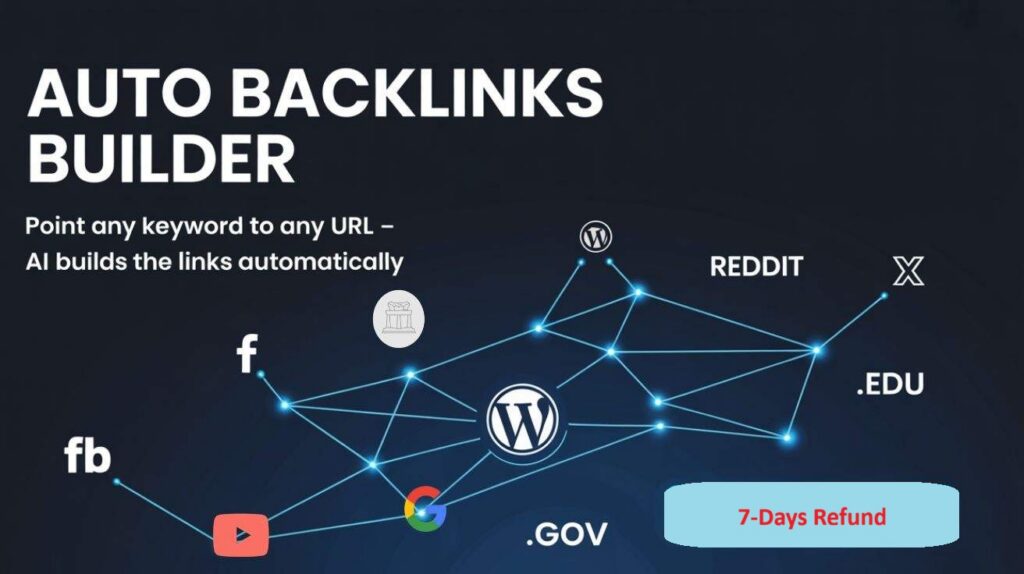
The demise of Ask.com highlights a broader evolution in the search landscape, transitioning from early directory-style curation to highly sophisticated AI-driven systems. In its prime, Ask.com relied on semantic processing to deliver direct answers, which was a precursor to modern generative AI. Today, the internet is flooded with automated solutions, where a generic AI Content Aggregator can instantly spin up thousands of informational pages. While these tools offer unmatched scale, they often lack the deep authority and human touch that defined early search engines. Additionally, the proliferation of spammy optimization tactics, such as relying on an Auto Backlinks Builder to manipulate search algorithms, has forced modern search engines to aggressively refine their core systems. The key to surviving this transition lies in maintaining absolute topical Relevancy. Search engines now prioritize genuine, context-rich content over mass-produced automated link networks. The risk for modern brands is clear: relying solely on automated generation and low-quality software without editorial oversight can lead to severe algorithmic penalties. Conversely, companies that study the history of search understand that long-term visibility requires human-centric value.
Actionable SEO Strategies for the Post-Ask Era
For digital marketers navigating this modern landscape, the primary takeaway is that search intent and topical authority override shortcuts. To build a resilient online presence, businesses must move away from artificial optimization tactics. Instead of deploying an Auto Backlinks Builder to generate low-quality directory signals, focus on earned media and high-authority PR campaigns that organically signal trust. Furthermore, rather than using a basic AI Content Aggregator to flood your blog with repetitive, keyword-stuffed articles, invest in creating proprietary data, expert interviews, and comprehensive guides. Ensure that every piece of content published directly addresses user intent, keeping topical relevancy at the core of your digital strategy. Audit your existing website architecture to ensure that search engine crawlers can easily understand your semantic structure, matching the natural-language queries that Ask Jeeves championed decades ago. By prioritizing deep, qualitative answers over purely quantitative metrics, you can future-proof your website against ongoing search engine updates and build a sustainable brand.