How Sports Clubs Can Tell If a Backlink Is Actually Harmful
Why Backlink Reviews Need Judgement, Not Alarm
A backlink is simply a link from another website to yours. For a sports club, these links might come from local newspapers, league websites, sponsors, supporter groups, or ticketing aggregators. Most are useful. The problem is that SEO dashboards and automated tools often label links as risky based on surface signals such as a low domain score, an unfamiliar name, or an unusual anchor phrase. An auto backlink tool can flag hundreds of links in seconds, but it cannot tell whether a link is useful to a reader. A small regional blog that mentions a club’s youth academy may look weak on paper while still sending genuine local visitors to the right page. A harmful link, by contrast, is usually one that exists to manipulate rankings or to send people somewhere they did not expect, such as a hacked page or a spammy site with no real audience. The distinction matters because removing a legitimate mention can cost a club visibility and goodwill it never needed to lose. Treat automated flags as a starting list for investigation, not a verdict. Every flagged link should be opened, read in context, and judged against a simple question: does this page have a sensible reason to mention us? That single question prevents many costly mistakes, and it keeps the focus on evidence rather than software scores.
Building a Practical Review Process
A reliable review starts by gathering every backlink from a reputable SEO platform or search engine tool, then sorting them into groups such as local media, partners, fan sites, directories, commercial pages, and unknown domains. Grouping makes patterns easier to spot. Next, open each linking page and read it. Ask whether the page is built around something a reader would care about, whether the content is original, and whether the club is mentioned naturally. Relevance works as a signal rather than a strict rule. A university sports science department linking to injury-prevention research, or a tourism site pointing to a stadium guide, can both be legitimate even though neither is primarily about sport.
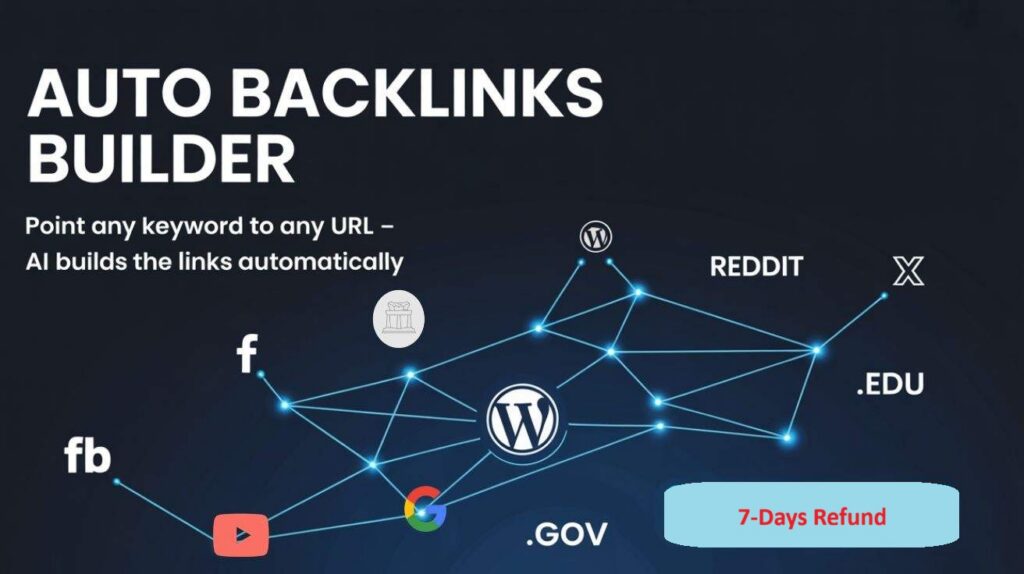
Patterns deserve more weight than single links. Watch for clusters of sites using identical exact-match anchor text, near-duplicate articles, or a sudden surge of links from low-quality domains. These often point to arranged link building. Pages produced in bulk by an AI content generator, or sites that scrape club news, can also create clusters that look suspicious but may be harmless spillover. Finally, check traffic and visibility data. If a link brings real visitors to ticket pages or match reports, it is almost certainly worth keeping. If the source has no readership at all, its value is doubtful and it deserves closer attention.

Choosing the Right Response and Avoiding Overreaction
Once a link has been assessed, the response should match the severity of the problem. Legitimate editorial links should usually be left alone, even if the site looks modest. Inaccurate partner pages or unlabelled paid placements are better handled by contacting the site owner directly and requesting a correction or proper attribution. Hacked, copied, or repurposed sites call for documentation: record the URL, capture evidence of the problem, and note the remediation steps taken. Disavowing links sits at the top of this scale. A disavow file tells search engines to ignore specified links, and a broad or careless file can remove links that were quietly helping a site. Clubs should use it only where there is strong evidence of a deliberate unnatural-link scheme or an active manual action that requires remediation.
Ownership of this work should be shared. SEO, communications, legal, and commercial teams all have a stake, because a suspicious link might come from an agency campaign, a sponsorship agreement, or an ordinary editorial relationship. UK clubs that bring in outside specialists should also consider employment status and IR35 rules, since the actual working arrangement determines classification rather than the wording of the contract. Clear scope, verified experience, and documented decisions protect the club and make future reviews faster.