
Protecting Digital PR: How to Prevent and Recover Lost Backlinks
The Hidden Reality of Backlink Decay in Digital PR
Digital PR campaigns often require significant financial investment, leveraging modern marketing tools like an AI content generator to produce press releases or an AI Post Images Generator to create eye-catching visual assets for campaigns. However, many brands measure success purely based on initial coverage metrics without considering backlink decay. Once a campaign launches, earned links are not permanent digital assets. Digital publishers frequently redesign websites, purge archived articles, update internal link structures, or alter anchor texts without notifying featured brands. In other cases, technical shifts like changing canonical tags or switching link attributes to rel=”sponsored” can modify how search engines process authority signals. While an altered attribute does not automatically eliminate referral traffic, a broken or missing destination stops potential customers in their tracks and erodes SEO equity. Recognizing that backlink degradation happens over time is the first crucial step toward safeguarding your overall marketing return on investment.
Evaluating Link Degradation: Risks, Attributes, and Real Value
Auditing lost or modified backlinks requires a balanced perspective rather than knee-jerk panic. Not every altered link represents a total loss of digital PR investment. For example, if a publisher updates a link attribute to rel=”sponsored” to comply with search engine guidelines regarding paid placements, the shift reflects regulatory compliance rather than campaign failure. Asking publishers to remove proper attribution can even risk penalization from search engines. Conversely, a link pointing to a 404 error page or a redirected obsolete URL creates a negative user experience and cuts off valuable conversion paths. Marketing teams must evaluate degraded links across three primary criteria: current referral traffic volume, alignment with contractual terms, and the effort required for recovery. If a placement continues to drive qualified leads, its brand exposure value remains intact even if link authority shifts. Identifying which links genuinely justify outreach recovery efforts prevents wasted resources on low-value sites.
Actionable Strategies to Protect and Recover Your Link Equity
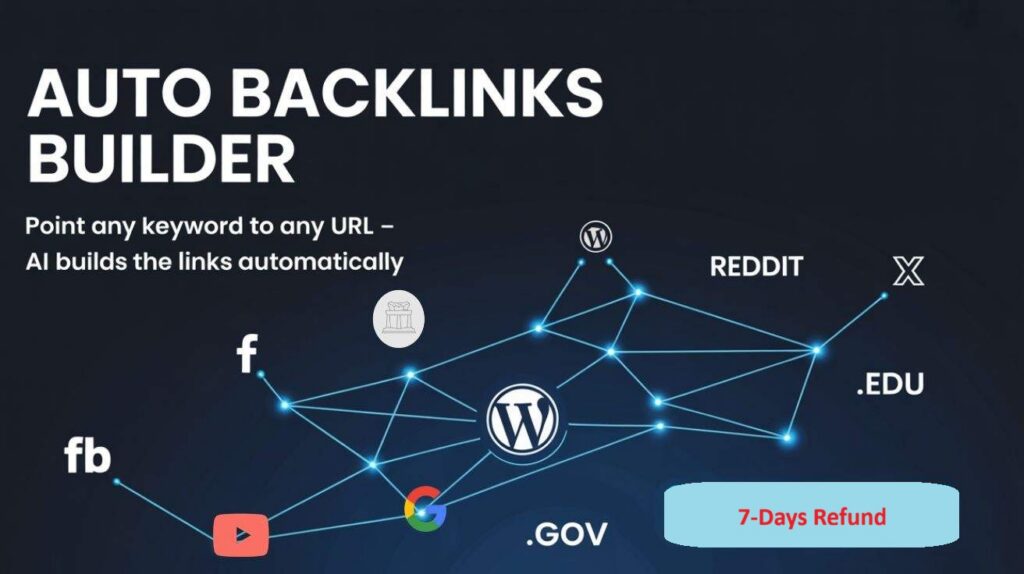
To prevent silent budget erosion, organizations need a structured maintenance framework. Start by maintaining a master placement registry detailing target URLs, publication dates, agreed link terms, and initial campaign costs. Because manual checking becomes impossible as campaigns scale, deploying an auto backlink tool or dedicated monitoring software allows teams to receive immediate alerts when links are removed, redirected, or altered. Establish quarterly backlink audits as a core KPI alongside traffic analytics. Furthermore, contract negotiations with external agencies should explicitly define post-publication maintenance terms—setting clear expectations for link monitoring, successful delivery windows, and publisher correction requests. By combining automated monitoring tools with proactive agency service level agreements, businesses can systematically identify broken destinations, request timely URL updates from editors, and maximize the long-term ROI of their digital PR initiatives.