
Modern Semantic SEO: Beyond Template-Based Content Generation
The Evolution from Template-Based to Semantic SEO
Traditional programmatic SEO has earned a negative reputation due to its association with low-quality, template-driven content that simply swaps keywords without considering context. This outdated approach creates thousands of nearly identical pages that fail to address unique user intents and search behaviors. Modern semantic SEO represents a fundamental shift in strategy, moving beyond simple find-and-replace tactics to create genuinely useful content at scale. By leveraging artificial intelligence and natural language processing, businesses can now generate content that understands context, user intent, and semantic relationships between topics. This approach recognizes that search queries like ‘best hotel in Las Vegas’ versus ‘best hotel in Orlando’ require completely different content strategies, focusing on nightlife and casinos versus family amenities and theme park access. The semantic approach ensures each piece of content serves a distinct purpose while maintaining technical scalability, transforming programmatic SEO from a quantity-focused tactic into a quality-driven content strategy that provides genuine value to users and search engines alike.
Building Authority Maps for Strategic Content Scaling
Successful semantic SEO begins with understanding where your domain already holds authority rather than attempting to rank for every possible keyword. This strategic foundation requires analyzing existing Google Search Console data to identify topic clusters where your site demonstrates strength and opportunities for expansion. An effective authority mapping process involves three critical phases: conducting comprehensive cluster audits to understand current topical dominance, defining priorities based on data-driven insights rather than assumptions, and aligning strategies with seasonal trends and business calendars. Rather than creating content across random topics, this methodology focuses resources on areas where the domain can realistically compete and grow its influence. For instance, if your site shows growing authority in mortgage-related queries, that becomes the primary target for scaled content generation. This approach transforms programmatic SEO from speculation into territorial expansion based on proprietary performance data. By using AI Content Aggregator tools and automated systems, businesses can identify content gaps and opportunities while ensuring their scaling efforts build upon existing strengths rather than diluting authority across too many unrelated topics.
Implementing Brand Governance in AI-Generated Content
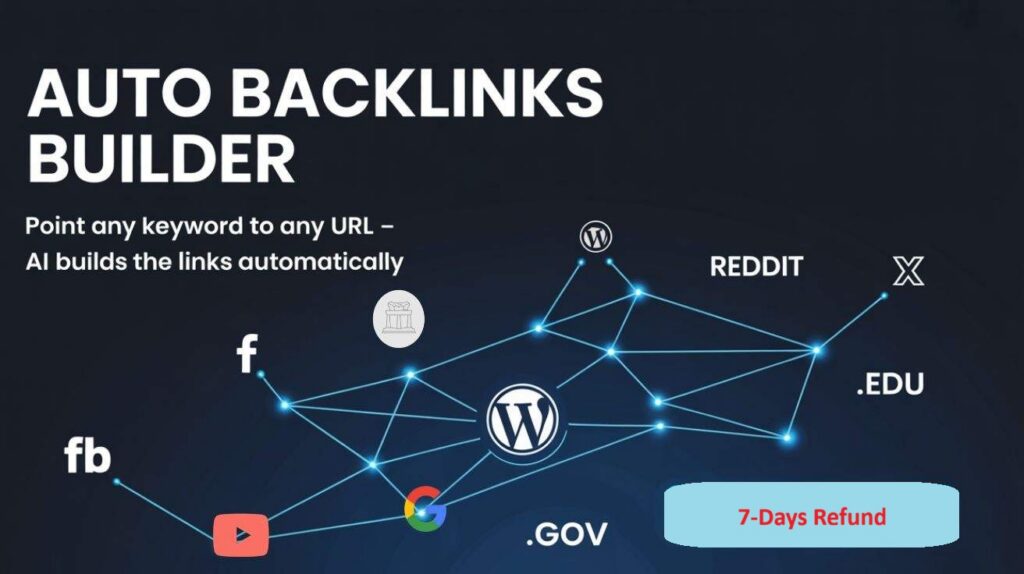
One of the biggest challenges in scaling content production through AI involves maintaining brand consistency and preventing generic or off-brand messaging across hundreds or thousands of generated pieces. Effective brand governance requires establishing systematic controls that guide AI content generation while preserving authentic brand voice and messaging. This involves creating comprehensive brand guideline frameworks that include specific persona definitions, negative constraints that prevent inappropriate language choices, and proprietary data integration that AI systems can reference during content creation. For example, a financial services company might specify that AI should never use terms like ‘cheap’ but instead employ ‘affordable’ or ‘cost-effective’ alternatives. These guidelines must be embedded into the content generation infrastructure, not applied as an afterthought during editing. Auto Backlinks Builder systems can support this governance by ensuring generated content maintains Relevancy and appropriate linking structures that align with brand standards. By centralizing brand governance within AI systems, organizations can confidently scale their content production while maintaining the quality and consistency that enterprise brands require, eliminating the risk of brand hallucination or messaging that conflicts with established corporate communication standards.