Google AI Mode Links Get More Prominent, But Clicks Still Decide
What Google Changed in AI Mode and AI Overviews
On October 15, Google began giving more visible placement to links inside AI Mode and AI Overviews, the generated answer panels that sit at the top of many search results. The update touches several parts of the experience. Inline citations, the small source links attached to specific claims, now appear higher in the response and more often. The goal is to catch users before they stop scanning and accept the summary as enough. Google is also testing a dedicated section for queries with one or two clear official destinations, such as a airline refund page, placing that link above the generated explanation instead of beneath it. Article carousels for timely news are expanding to more locations and languages, and related-article links now include image thumbnails and cleaner formatting. Google has also started testing clickable creator and publisher names on video results in AI Mode, which lead to Search profiles. Preferred Sources, a feature that lets users choose which outlets they see more often, has grown more than sevenfold since the start of 2026, according to Google. Not every change is permanent. Some are broad rollouts, while the official-page section and clickable video identities remain experiments. Treat the update as a design direction rather than a single launch, and expect results to vary by query type.
Why Visibility Does Not Guarantee Clicks
Google presents these changes as proof that AI Mode and AI Overviews still send people to the open web. Publishers see a more complicated picture. A 2025 study of 68,879 Google searches by 900 U.S. adults found that roughly 18% of searches produced an AI summary. Users clicked a traditional result after 8% of those summary searches, compared with 15% of searches without one. Clicks inside the summary itself happened only 1% of the time, and sessions ended entirely after 26% of summary searches, versus 16% without summaries. A 2026 study of English Wikipedia estimated that AI Overview exposure cut daily traffic to matched articles by about 15%, with steeper declines for culture topics than for STEM subjects. That pattern suggests that concise, easily summarized facts are the most likely to be answered on the results page. A separate field experiment with 1,100 participants found that removing AI features raised publisher clicks, while an AI Mode-only experience lowered clicks and reported trust. Google has not published click-through data for the new placements, so publishers cannot yet tell whether prominent links drive more visits or simply look better. Better placement is a necessary condition for traffic, but it does not prove that users will leave the answer to visit the source.
Practical Steps for Publishers and SEO Teams
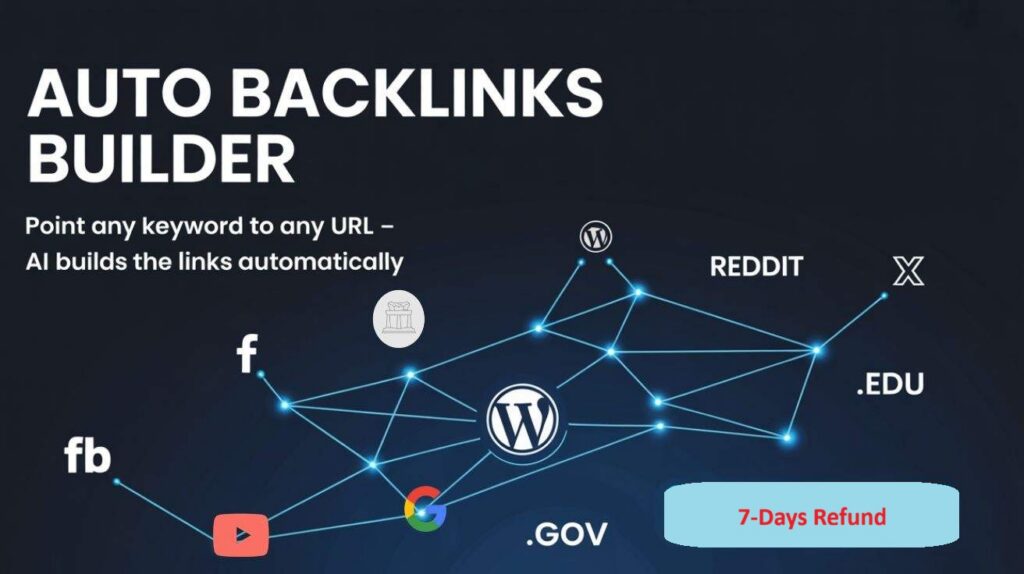
Start by auditing which queries trigger AI features in your niche and how your pages appear within them. Watch Google Search Console for breakouts that separate AI-surface performance, and compare those figures with traditional search data over time. Question-style queries deserve special attention, since one measurement study found AI Overview activation at 64.7% for those searches. Make your key claims easy to cite: state facts plainly, attribute data to primary sources, and structure pages with clear headings and short definitions. Original reporting, first-hand data, and official documentation are harder for a summary to replace. Tools can help with production. An AI content generator can draft outlines or product explanations, but human editors should verify every claim, because one study found 11% of claims in AI overviews were unsupported by the pages they cited. An AI Post Images Generator can produce consistent thumbnails for related-article cards, though original photography or charts often earn more trust. Be cautious with an auto backlink tool. Automated link building from low-quality sites can invite penalties and rarely produces the editorial citations that matter. Focus instead on earning mentions from relevant sites, and encourage loyal readers to add your outlet as a Preferred Source.