Dual-Channel SEO: Ranking in Google and ChatGPT Simultaneously
Understanding the Dual-Channel SEO Landscape
The digital marketing world is experiencing a fundamental shift in how search visibility works. For nearly three decades, SEO professionals focused exclusively on Google rankings—achieving top positions in search results pages meant capturing user attention and traffic. Today, that equation has changed dramatically with the rise of conversational AI platforms like ChatGPT, Gemini, and Claude.
Sorank’s recent launch of automated SEO software represents a watershed moment in this evolution. The platform explicitly targets both traditional Google search rankings and visibility within ChatGPT responses, acknowledging that modern visibility requires a multi-channel approach. This isn’t merely a marketing buzzword; it reflects genuine shifts in user behavior. As more people turn to AI chat interfaces for research, product comparisons, and general information queries, brands that ignore these platforms risk losing significant audience exposure.
Generative Engine Optimization (GEO) has emerged as the umbrella term for strategies targeting AI chat platforms, complementing traditional SEO rather than replacing it. Understanding this landscape requires recognizing that search visibility now encompasses two distinct pathways: ranking positions on search engine results pages and featuring prominently in AI-generated answer snippets. An AI content generator optimized for both channels can capture users across their preferred research methods, multiplying potential touchpoints with your target audience.
How Automated SEO Tools Address Both Platforms
Automation in SEO has always aimed to reduce manual workload—keyword research, content gap analysis, technical audits, and on-page optimization traditionally consume enormous amounts of agency and in-house team time. An auto backlink tool that intelligently identifies link-building opportunities can save weeks of reconnaissance work. Similarly, Sorank’s approach to dual-channel automation attempts to streamline optimization for both Google and ChatGPT without requiring separate, parallel workflows.
The mechanics of this dual optimization differ substantially between platforms. Google rankings depend on established signals: content relevance, backlink authority, technical performance, user experience metrics, and E-E-A-T (Experience, Expertise, Authoritativeness, Trustworthiness). ChatGPT visibility, by contrast, depends on whether content appears in the training data, how well it aligns with query intent, and citation frequency in sources the model references. Traditional backlink building benefits Google directly; citations and source attribution matter more for AI visibility.
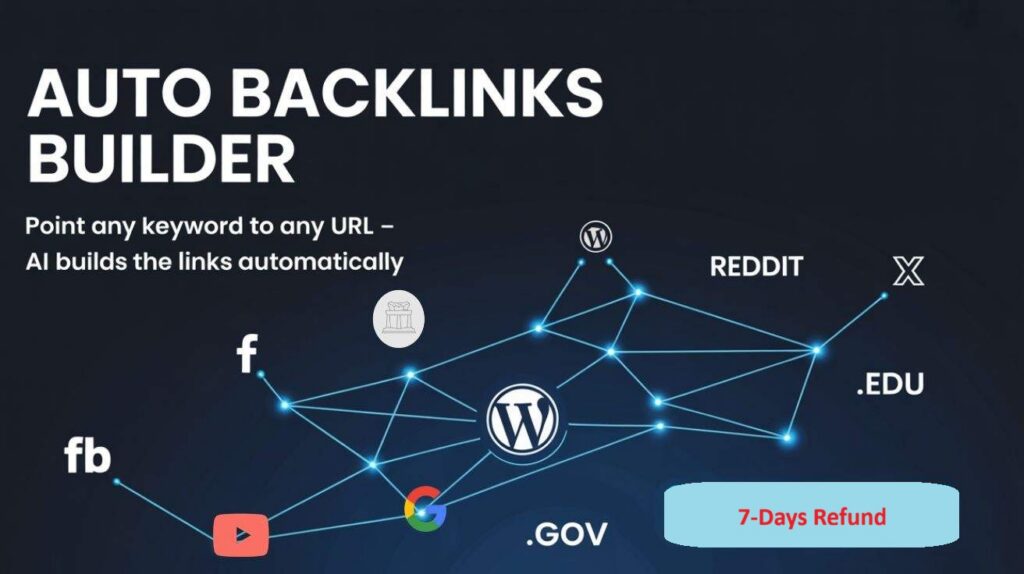
Automated tools addressing both channels must handle fundamentally different optimization targets. An auto backlink tool pointing to any URL might improve Google rankings, but building authority for ChatGPT requires content strategy focused on becoming a cited reference source. This distinction matters because strategies optimized for one channel may not translate to the other. Effective dual-channel automation requires the platform to identify and prioritize keywords where both Google and ChatGPT visibility represent realistic opportunities, then tailor optimization accordingly.
Practical Implications and Critical Considerations for Teams
For SEO professionals, agencies, and in-house marketing teams evaluating Sorank or competing platforms, several practical questions merit investigation before implementation. First, independently verify claims about ChatGPT ranking performance—press releases typically describe intentions rather than proven outcomes. Request case studies or beta results demonstrating measurable improvements in both Google positions and ChatGPT citation frequency. Benchmark against established competitors who’ve already released similar dual-channel features.
Second, examine compliance carefully. Does the platform align with Google’s webmaster guidelines and core principles? Has it been evaluated against OpenAI’s content policies? Automation that violates platform policies can result in penalties or removal, undermining long-term strategy. Request transparency about the platform’s methodology, data sources for tracking ChatGPT visibility, and reporting mechanisms.
Third, consider resource allocation strategically. While an AI content generator might automate certain tasks, dual-channel optimization still requires human judgment about brand voice, target audience nuance, and strategic priorities. Automation excels at scaling tactical execution—identifying backlink opportunities, optimizing meta tags, tracking performance—but cannot replace strategic thinking about market positioning.
Finally, recognize that GEO as a discipline remains nascent. Industry best practices continue evolving. Allocate budget and team capacity for continuous learning and testing. Partner with vendors willing to share transparent reporting about which optimizations actually drive results in each channel, rather than making broad automation promises.