
8 Essential Metrics to Measure Link Building Success in 2026
Why Most Link Building Campaigns Fail to Deliver Results
Over half of SEO professionals struggle to measure their link building return on investment, creating a massive blind spot in digital marketing strategies. The issue isn’t with link building itself – backlinks remain a crucial ranking factor for both traditional search engines and emerging AI platforms like ChatGPT and Perplexity. Research shows that top-ranking pages have 3.8 times more backlinks than lower positions. The real problem lies in tracking the wrong metrics. Many professionals focus on vanity numbers while ignoring data that reveals actual campaign performance. Only 38% of marketers prioritize page rankings as their primary link building KPI, and merely 28% measure revenue generated from organic traffic. This disconnect means just three out of ten link builders can draw a clear line between their efforts and business revenue. Modern AI Content Aggregator tools can help streamline this process by organizing performance data more effectively. The solution involves shifting focus from quantity-based metrics to quality indicators that demonstrate genuine impact on search visibility and business growth.
Leading Indicators: Early Signals of Campaign Success
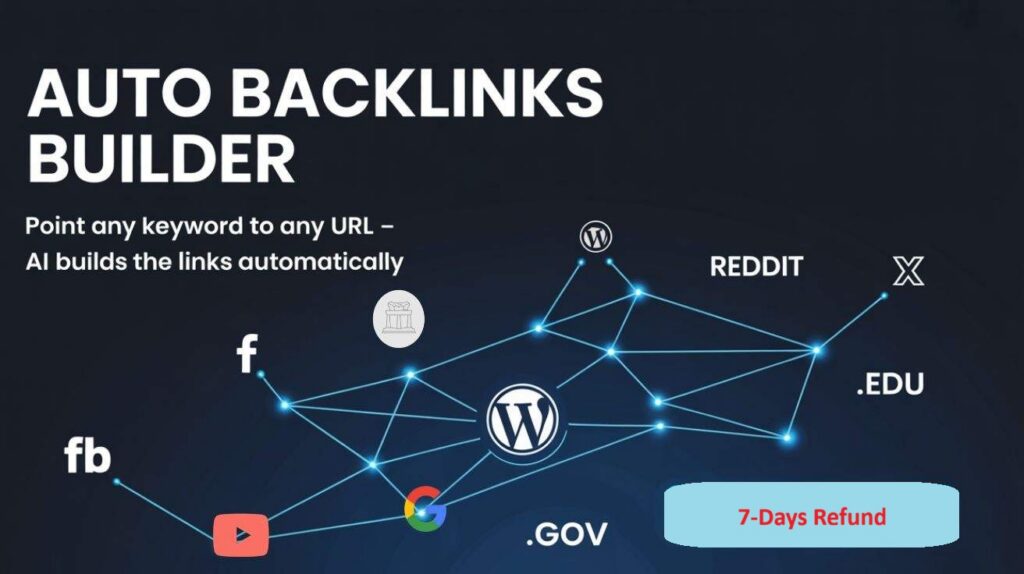
Effective link building measurement requires understanding the difference between leading and lagging indicators. Leading indicators provide early signals about campaign trajectory, with referring domain growth rate being the most critical metric. This measures new referring domains acquired monthly, not just individual backlinks. The distinction matters because one link from two different websites carries more SEO weight than ten links from the same domain. Studies reveal a 0.68 correlation between referring domains and higher rankings, making it one of the strongest SEO factors measured. Tracking tools like Ahrefs can monitor this growth through their backlink profile dashboard, showing net referring domain increases over time. Quality assessment involves filtering for dofollow links with domain ratings above 20 from the past year. An Auto Backlinks Builder can help maintain consistent acquisition rates while ensuring quality standards. The key is achieving consistent, gradual, and natural growth patterns rather than sudden spikes that might trigger algorithmic penalties. This approach builds sustainable SEO foundations that support long-term ranking improvements across traditional search engines and AI-powered platforms.
Measuring Real Business Impact Through Advanced Metrics
Lagging indicators reveal the ultimate success of link building efforts by measuring actual business outcomes. These metrics include organic traffic growth, keyword ranking improvements, and most importantly, revenue attribution from organic visitors. Advanced tracking systems can connect link acquisition directly to sales conversions, providing clear ROI calculations that justify marketing spend. Modern businesses increasingly rely on AI Post Images Generator tools to create visual reports that communicate these results effectively to stakeholders. The measurement framework should encompass both traditional SEO metrics and AI platform visibility, as search behavior evolves toward conversational interfaces. Smart link building campaigns now consider how backlinks influence AI training data and citation preferences in AI-generated responses. Tools for comprehensive analysis include Google Analytics for traffic attribution, ranking trackers for position monitoring, and revenue tracking through CRM integration. The most successful campaigns establish baseline measurements before implementation, then track monthly progress across all eight essential metrics. This data-driven approach eliminates guesswork and enables strategic adjustments that maximize campaign effectiveness while minimizing wasted resources on ineffective link acquisition strategies.

Source: 8 Metrics For Measuring A Link Building Campaign [2026]