Keyword Cannibalization: When Multiple Pages Compete for Rankings
Understanding Keyword Cannibalization in SEO
Keyword cannibalization occurs when multiple pages on your website target the same or very similar keywords, causing them to compete against each other in search results. This internal competition can dilute your SEO efforts and confuse search engines about which page should rank for specific terms. However, it’s important to understand that not all instances of keyword overlap constitute problematic cannibalization. Modern search engines are sophisticated enough to understand context and user intent, meaning similar content can coexist without necessarily harming your rankings. The key lies in recognizing when this overlap becomes detrimental to your site’s performance. Many website owners panic at the first sign of keyword overlap, but successful SEO requires a nuanced approach. With the integration of AI tools into modern SEO workflows, identifying these patterns has become more accessible, allowing marketers to make data-driven decisions about their content strategy.
Identifying Real Cannibalization Issues Using Data
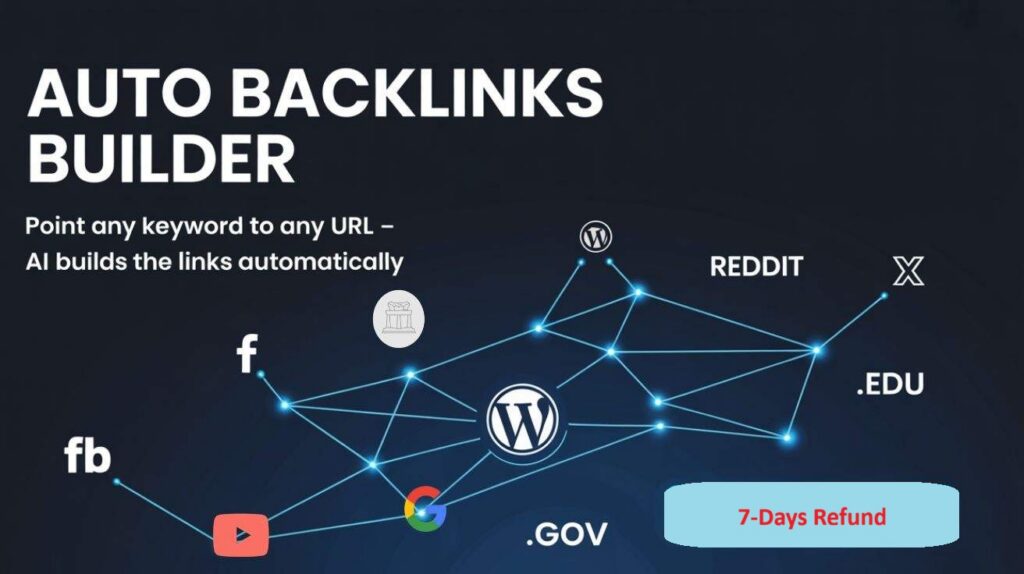
Google Search Console serves as your primary diagnostic tool for spotting genuine keyword cannibalization problems. Look for instances where multiple pages fluctuate in rankings for the same keyword, creating an unstable search presence. True cannibalization manifests as erratic ranking patterns, where pages seem to ‘fight’ for the same position, resulting in overall decreased visibility. Pay attention to click-through rates and impressions across competing pages – if the combined performance is lower than what a single, well-optimized page might achieve, you’ve identified a problem. Modern AI Post Images Generator tools and analytics platforms can help visualize these ranking fluctuations over time, making patterns easier to spot. Focus on high-value keywords where cannibalization could significantly impact your business goals. Remember that having multiple pages ranking for related long-tail variations isn’t necessarily problematic – it’s when core commercial keywords are being diluted across multiple pages that action becomes necessary. Auto Backlinks Builder systems can also complicate this analysis by distributing link equity across competing pages.
Strategic Solutions for Keyword Conflicts
When genuine cannibalization is identified, several strategic approaches can resolve the issue effectively. Content consolidation often provides the best solution – merging competing pages into a single, comprehensive resource that serves user intent more completely. This approach preserves valuable content while creating a stronger authority signal for your target keyword. Alternatively, differentiate your pages by refining their keyword focus and user intent targeting. Each page should serve a distinct purpose in your user’s journey, from awareness to conversion. Internal linking strategy plays a crucial role in directing search engines toward your preferred page for specific keywords. Implement clear hierarchical signals that indicate which page should be the primary authority for contested terms. Regular monitoring through AI tools integration helps maintain optimal keyword distribution across your site architecture. Consider using 301 redirects when consolidating pages to preserve existing link equity and user bookmarks. The goal isn’t to eliminate all keyword overlap, but rather to ensure each page has a clear, distinct role in your overall SEO strategy while maximizing your site’s search visibility.

Source: Track your rankings for free