
Why Paid Search Optimization is Moving Beyond Keywords in 2024
The Death of Keyword-Centric Advertising
Digital advertising is experiencing a fundamental transformation as search platforms reduce their reliance on traditional keyword targeting. Major platforms like Google and Microsoft are implementing sophisticated AI systems that analyze user behavior, context, and intent signals rather than simply matching search queries to advertiser keywords. This shift represents a move away from the manual, spreadsheet-heavy approach that dominated paid search for over a decade. Where marketers once built single keyword ad groups and created unique landing pages for every search term, modern AI Content Aggregator systems now handle targeting decisions automatically. The change eliminates much of the granular control advertisers previously enjoyed but promises more efficient ad delivery to relevant audiences. This evolution toward AI-driven campaign management reflects broader industry trends toward automation and machine learning optimization.
Audience Data Becomes the Primary Targeting Signal
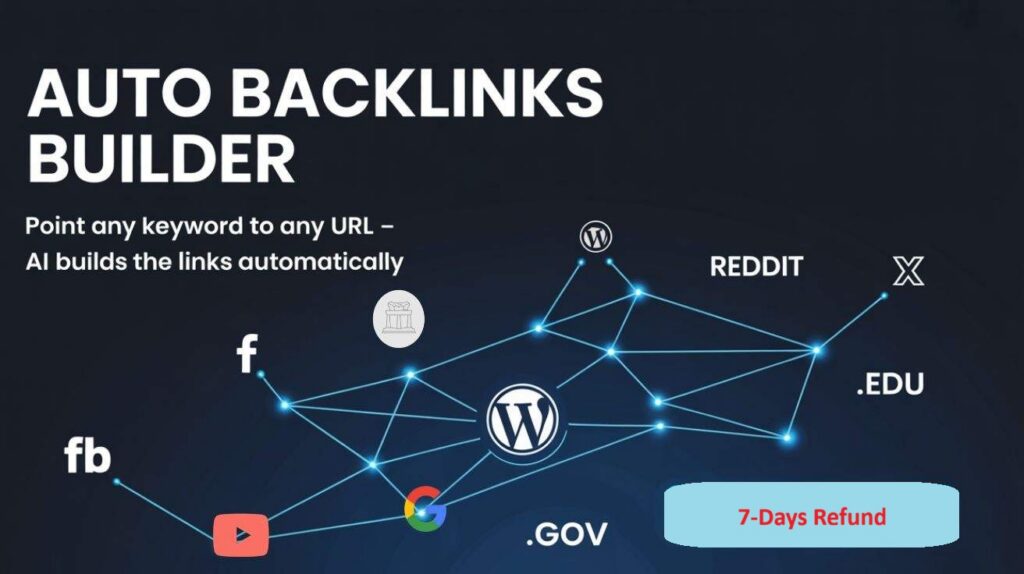
Modern advertising platforms now prioritize first-party customer data and audience insights over specific search queries when determining ad placement. Google’s Data Manager API integration allows the system to identify users who match previous successful conversions, even when their current search terms seem unrelated to your offering. Instead of bidding on generic terms like ‘cloud security,’ advertisers can now target IT directors with compliance research history, regardless of their current search query. This approach requires marketers to develop sophisticated audience segmentation strategies using Auto Backlinks Builder tools and integration partnerships. Success depends on clustering potential customers by shared pain points and creating on-site experiences that allow users to self-identify their needs. By the time visitors enter remarketing pools, they represent verified intent states rather than simple keyword matches, enabling more precise targeting.
Content Strategy Replaces Keyword Strategy
Landing pages and creative assets now function as primary data sources that AI systems analyze to understand advertiser offerings and match them with appropriate audiences. Google’s artificial intelligence scans page content to identify nuanced use cases and automatically connects relevant users, even without explicit keyword matches. A landing page clearly describing ‘mid-market manufacturing’ solutions will attract manufacturing decision-makers regardless of their specific search terms. This convergence of content and targeting mirrors developments across platforms, with Meta’s Andromeda engine using creative assets as targeting signals. The integration of AI tools integration means your content strategy directly impacts campaign performance more than ever before. Marketers must now focus on creating comprehensive, contextually rich landing experiences that clearly communicate their value proposition, as these assets increasingly determine audience targeting and ad delivery decisions.

Source: What are you optimizing for in paid search when keywords matter less?