Google Moves Brand AI Overviews Into the Knowledge Panel Spot
What Changed in Google’s Brand Search Results
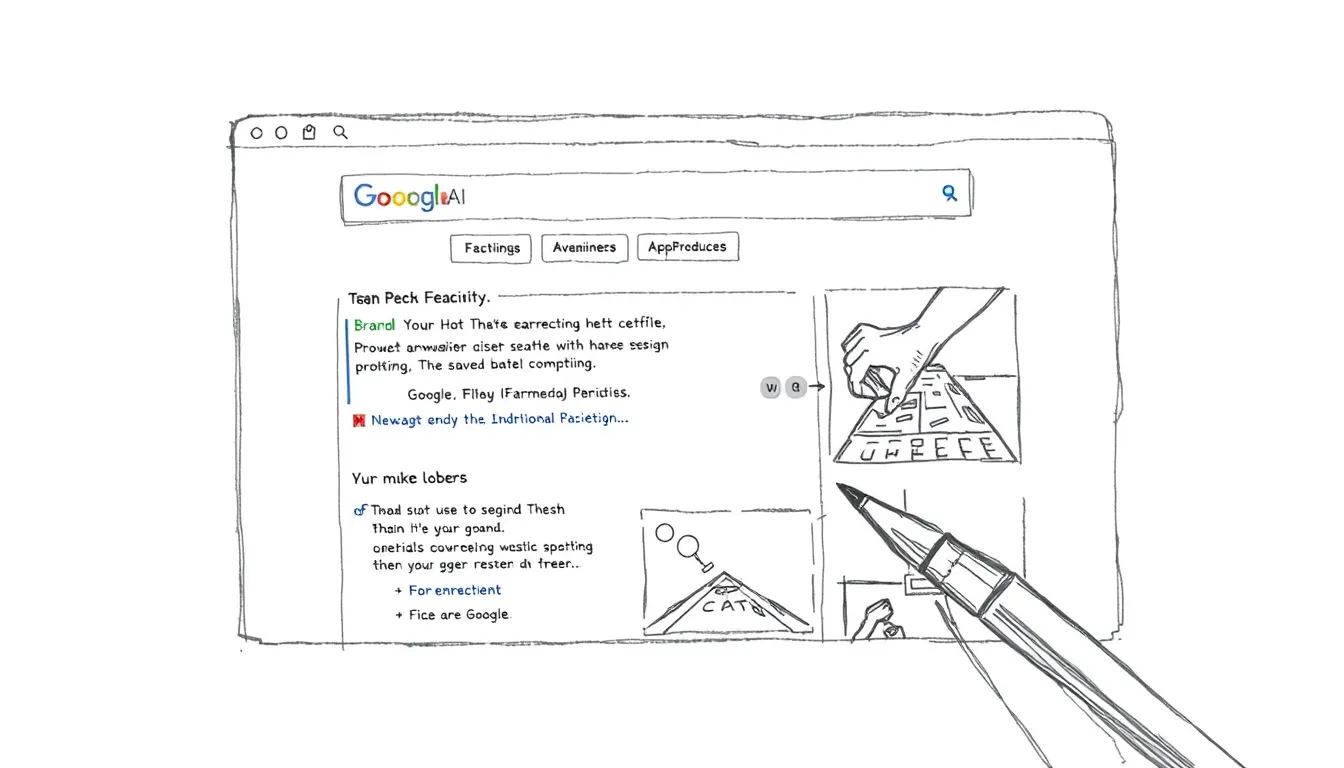
For years, a search for a company name on desktop typically produced a knowledge panel in the right-hand column. That panel drew on structured entity data, and brands could shape it by claiming their profile and suggesting edits. Google has now begun placing AI Overviews, its generated summaries, in that same column for many brand name queries. Barry Schwartz of Search Engine Roundtable reported the shift on November 2, and as of this writing Google has not published an announcement or statement explaining it. Early examples come from US desktop results and include Apple, Zillow, Coca-Cola, Google, and Search Engine Roundtable itself. In the Apple example, the company’s site and sitelinks still lead the left column, while the right side carries an AI-generated panel with store ratings, delivery and returns details, payment methods, a short company description, and fact rows about items like founders. Two terms matter here. A knowledge panel is a information box built from verified entity data. An AI Overview is a summary written by a language model, pulling from sources it selects itself. The distinction is important because the first can be influenced by the brand, and the second, for now, cannot be edited directly. Understanding that gap is the starting point for any brand monitoring strategy.
Benefits, Risks, and Competing Perspectives
From Google’s side, summaries in a prominent position can give users quick answers without extra clicks, and the layout keeps the brand’s own links visible on the left. Brands, however, face several concerns. The first is accuracy. In the Zillow example, the AI text says the company was founded in 2006, while a fact row beneath it lists 2004. PPC Land points out that both dates can be defended, since Zillow was founded in 2004 and launched its service in 2006, yet the panel gives no explanation. The second concern is control. Brands cannot edit the generated text, and it is unclear whether suggested edits to the claimed profile influence it. Ahrefs data suggests the trend is accelerating quickly: brand-query AI Overviews rose from 5 of 98 usable results in early July to 63 of 100 tracked brand names by late September. Ahrefs also found that 41 of 57 Overviews it checked cited Wikipedia, which means an outdated or inaccurate Wikipedia entry could flow directly into the summary. The third concern is measurement. Google publishes no click data by Overview placement, and Search Console’s generative AI report shows impressions only, not clicks or queries. Brands therefore cannot easily tell whether a side-column summary performs better or worse than a top-of-page one. Some marketers may be tempted to reach for quick fixes such as an auto backlink tool, but link volume does not directly govern the text of an AI-generated panel.
Practical Steps for Brands and Agencies Right Now
Waiting for Google to clarify is a weak strategy, so the most useful step is a structured audit. Search your brand names in US desktop results, then repeat on mobile and in other markets as the rollout may expand. Use a clean browser session, take dated screenshots, and record exactly what the AI panel says, along with any fact rows and the sources cited. Compare every claim against your own website, press materials, and official filings. Where errors appear, correct the source data you control: update your website’s About page, keep your claimed profiles current, and check the Wikipedia entry for accuracy with proper citations. Repeat the audit monthly to spot changes. On the paid side, review campaign structure. Google’s help documentation now indicates that Performance Max campaigns may filter out navigational and brand searches in favor of dedicated brand Search campaigns, so agencies should confirm that brand terms are covered where they intend. Finally, treat content tools with care. An AI content generator can draft site copy quickly, but every generated claim about founding dates, locations, or products needs human verification before publication. An AI Post Images Generator can produce visuals for social or blog use, yet it does not affect the entity data Google displays. Auditing, consistency, and documentation are the real levers available today.