How a B2B SaaS Site Reached 100K GenAI Impressions in 90 Days
Understanding GenAI Impressions and Why They Matter for B2B SaaS
GenAI impressions represent a fundamental shift in how search visibility operates. These are citations and mentions of your brand or content appearing inside AI-generated answers across platforms like ChatGPT, Google’s AI Overviews, and Microsoft Gemini. For B2B SaaS companies, this metric has become as critical as traditional click-through rates, yet most founders remain unaware of its impact on pipeline generation.
The distinction matters because traditional search rankings and GenAI visibility require different optimization approaches. While you might rank for keywords on page two and still capture clicks, AI systems often bypass traditional results entirely, synthesizing answers from multiple sources and citing only the most trustworthy voices. A new domain without established domain authority faces particular disadvantage in this environment, since AI models weight credibility signals heavily when deciding what to surface. This creates a paradox: newer companies with innovative solutions struggle for visibility precisely when they need it most. Understanding GenAI impressions forces SaaS teams to rethink content strategy, focusing on quotability and authority-building outside traditional link structures.
The Three-Front Strategy: Building AI Visibility Without Traditional Backlinks
The case study reveals a parallel approach that abandons sequential testing in favor of simultaneous execution across three distinct fronts. This matters because new domains lack the runway to validate one tactic at a time; they need compounded visibility signals immediately.

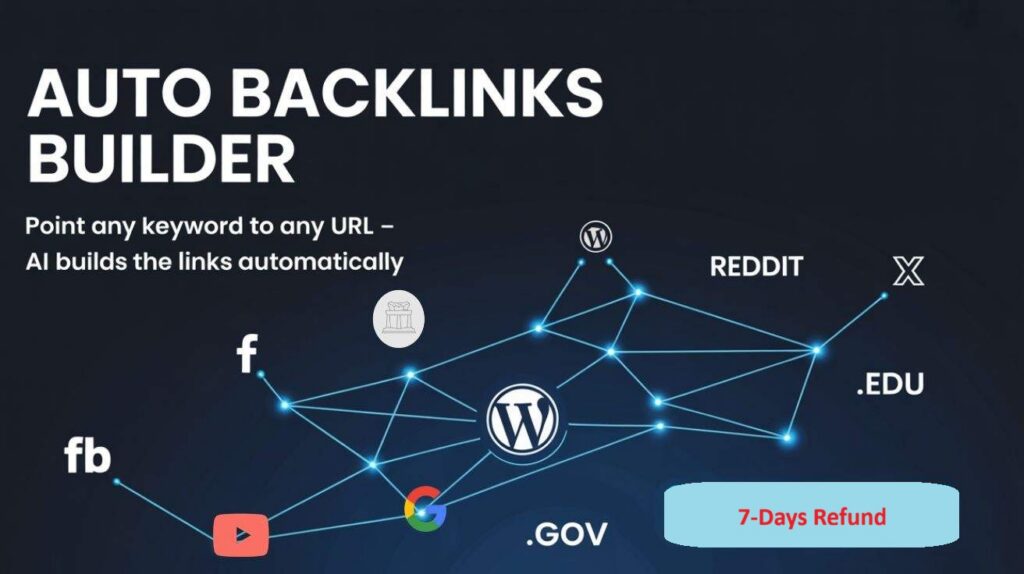
The first front targets on-site optimization specifically for AI consumption. This includes creating country-specific landing pages structured around clear questions paired with concise, standalone answers—the type of content LLMs naturally extract and cite. Pairing this with an auto backlink tool strategy and an LLM-friendly robots.txt file signals to AI crawlers that your content deserves inclusion. Every blog post receives human review before publication, ensuring quality and consistency that algorithms reward.
The second front leverages existing platform authority through strategic placements. This includes appearing in software roundup listicles on established sites (since AI frequently draws recommendations from curated lists), contributing thoughtful responses in niche Reddit and Quora communities, and maintaining consistent brand positioning across LinkedIn. The consistency element matters: when an AI content generator encounters your brand description across multiple platforms using similar language and claims, it develops higher confidence in your positioning, reducing the chance of misrepresentation in AI answers.
The third front—digital PR—operates slower but builds durable credibility through editorial mentions in mid-tier European news outlets and government domain backlinks, creating authority signals that AI systems inherently trust.
Measuring Success and Practical Takeaways for Your SaaS Team
The case study demonstrates measurable outcomes: 100,000 GenAI impressions, 2,000+ monthly organic clicks, and consistent qualified signups within a single quarter—all achieved without traditional backlinks or domain history. However, Pathan acknowledges a critical limitation: with eight concurrent tactics, attribution remains partial. You can see what moved together, but pinpointing which single action drove each result becomes impossible at launch.
This creates an important lesson for SaaS leaders: instead of demanding perfect attribution before acting, build a monitoring system using verifiable proxies. Track GenAI impressions through Search Console’s Generative AI features report and LLM referral traffic in GA4. These provide clearer signals than guesswork about AI citation frequency.
For immediate implementation, focus on three actions: First, structure all cornerstone content around single, clear questions with complete standalone answers—this maximizes quotability. Second, build consistent brand positioning across platforms before AI models fill in the gaps themselves. Third, prioritize quality human review over volume; AI systems reward trustworthiness and coherence over post frequency. Finally, geographic segmentation matters tremendously for B2B SaaS serving multiple markets—one-size-fits-all content underperforms compared to country-specific pages that address local regulatory contexts, terminology, and stakeholder needs. These insights apply whether you’re entering established niches or launching entirely new product categories.