Mastering Performance Max: Hybrid Google Ads Strategy for 2026
The Evolution of PMax: From Black Box to Guided Hybrid
Google’s Performance Max (PMax) was originally introduced as a fully automated, hands-off solution designed to streamline advertising across YouTube, Search, Shopping, and Maps. However, by 2026, ecommerce brands have realized that treating PMax as a self-managing black box is a recipe for wasted spend. Real-world data shows that over 80% of successful advertisers now run PMax in tandem with Standard Shopping campaigns. This shift was accelerated by Google’s transition to an Ad Rank-based priority model, where the campaign with the highest rank wins the auction, rather than PMax automatically taking precedence. This hybrid model combines the precision of manual bidding with the massive reach of automation. Maintaining absolute Relevancy in your product data and targeting signals is the key to winning these high-stakes auctions. Instead of letting the machine make arbitrary decisions, modern media buyers use Standard Shopping to capture high-intent, bottom-funnel queries while utilizing PMax to fuel top-of-funnel discovery. This balanced approach ensures you are not overpaying for low-intent traffic while still expanding your brand’s digital footprint.
Structuring Your Account for Maximum Efficiency
To succeed with a hybrid Google Ads setup, your account structure must be meticulously organized. A proven framework involves allocating your top-performing, high-revenue SKUs to Standard Shopping campaigns. Here, you can leverage manual bid adjustments and strict ROAS targets to protect your margins. Concurrently, deploy a secondary PMax campaign specifically optimized for new customer acquisition, supported by rich audience signals like lookalikes and in-market segments. It is vital to apply robust brand exclusions within PMax to prevent the algorithm from cannibalizing your cheaper, high-converting branded organic or search traffic. Furthermore, implement campaign-level negative keywords to filter out low-value queries containing terms like free or competitor brand names. Just as an AI Content Aggregator structures and filters massive streams of digital data to deliver clean feeds, your ad account must systematically organize product data and search queries. This careful segmentation ensures that your budget is funneled toward high-value conversions rather than being diluted across thousands of irrelevant search terms that starve the machine learning algorithm of useful data.
Optimizing the Product Feed and Supporting SEO
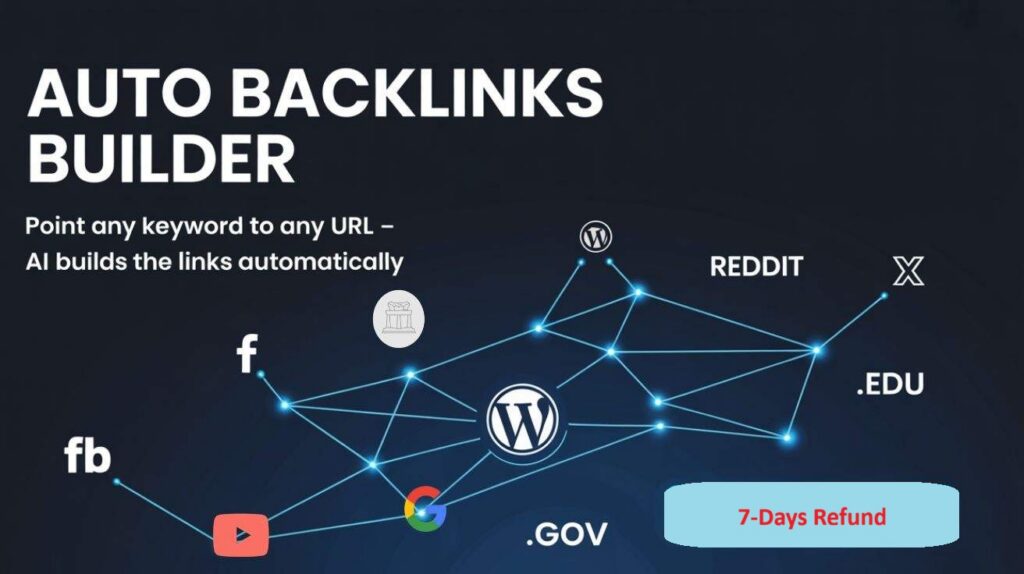
While account architecture is critical, the single biggest lever for PMax performance remains the Google Merchant Center product feed. Google’s algorithm relies entirely on feed metadata to match your products with user queries. If your product titles are stuffed with internal SKUs rather than SEO-friendly search terms, your performance will suffer. Optimizing your feed requires transforming generic descriptions into rich, keyword-dense copy that aligns with actual consumer search behavior. This dual focus on high-quality metadata and off-page presence creates a powerful marketing flywheel. For instance, integrating your paid strategy with search engine optimization tools, such as an Auto Backlinks Builder, can significantly elevate your overall organic domain authority. A stronger organic footprint improves your brand’s trust signals, which indirectly boosts your paid click-through and conversion rates. By prioritizing feed health, using precise attributes, and sustaining a robust off-page SEO strategy, you ensure Google’s machine learning has the high-fidelity input it needs to scale your campaigns profitably throughout 2026 and beyond.

Source: How Ecommerce Brands Should Run Performance Max Campaigns In 2026