Nerdbot’s 8 AI SEO Agencies: How to Vet Vendor Claims
What Nerdbot’s Comparison Covers and Why It Matters
Nerdbot has published a roundup of eight AI SEO agencies, joining a growing set of buyer’s guides written for marketing teams that must choose between vendors offering AI tools and traditional search optimization. AI SEO generally refers to search work that uses machine learning or generative tools for tasks such as keyword clustering, technical audits, content drafting, and reporting. Many agencies now bundle these capabilities. An AI content generator might draft outlines, an AI Post Images Generator might produce supporting visuals, and an auto backlink tool might automate outreach or link placement. Because these tools are now common, they no longer separate one agency from another on their own.
The timing matters. Search engines continue to change how they crawl, interpret, and rank content, so marketing teams feel pressure to update their approach. Buyers have less time to test options and more reason to want a reference point before committing to a relationship that usually runs for months. A comparison like Nerdbot’s helps narrow a long list. It does not replace due diligence, however. A roundup tells you who is in the conversation, not who will deliver measurable results for your site, your industry, or your budget. Treat it as a starting filter, then move quickly to direct questions about process, data, and accountability.
Benefits, Risks, and Competing Perspectives
The strongest benefit of a roundup is efficiency. Instead of requesting proposals from a dozen firms, a team can compare a manageable shortlist and enter sales conversations better informed. For agencies, inclusion in a respected comparison can generate qualified leads, which explains why these articles have spread across trade publications and general business sites.
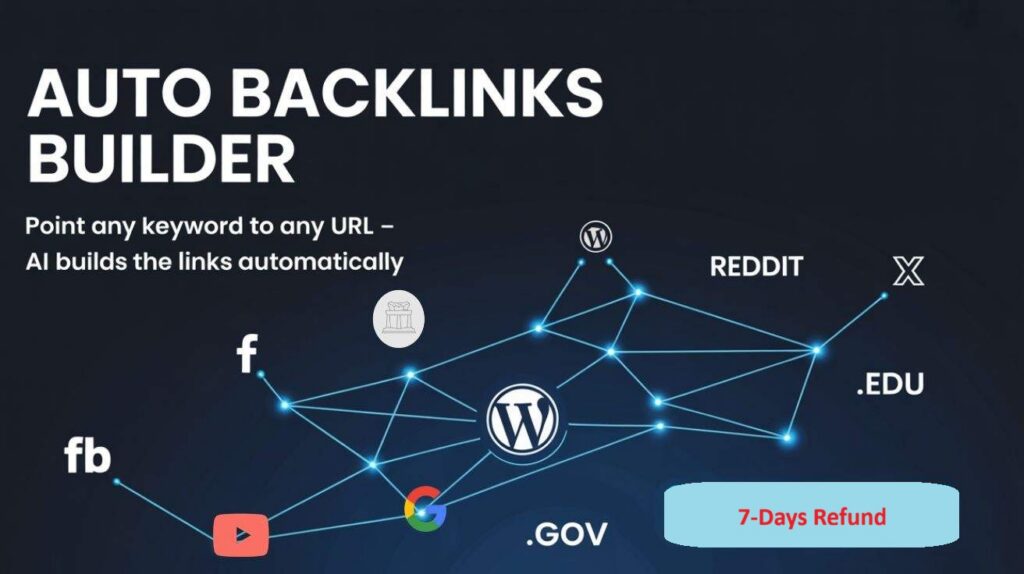
The risks are equally important. The phrase AI SEO is now used so widely that it can mean very different things. One agency may use AI for research and drafting while keeping strategy and editing firmly human. Another may rely heavily on automated output with little review. An auto backlink tool deserves particular caution. Automated link acquisition that produces low-quality or manipulative links can trigger manual actions or algorithmic devaluation, and the damage may take months to undo. Scaled content that adds little original value carries similar risks.
Perspectives also differ. Optimists argue that AI lowers costs and frees specialists for higher-level analysis. Skeptics warn that AI-written pages can look alike, weakening brand voice and first-hand expertise. A balanced buyer accepts that both views can be true. The useful question is not whether an agency uses AI but whether its AI use produces better outcomes, is transparent to the client, and holds up under changing search guidelines.
Practical Steps for Evaluating an AI SEO Agency
Start with specifics. Ask each shortlisted agency which tools it uses, what tasks they automate, and where human experts review and approve the work. A credible answer names processes, not just platforms. For example, a firm might say its AI content generator produces first drafts that a subject-matter editor fact-checks and rewrites before publication.
Next, request evidence. Ask for case studies with baseline and follow-up metrics from Google Search Console or analytics, and confirm that the results come from comparable businesses. Be cautious of vague claims such as increased rankings without context on keyword difficulty, timeframe, or traffic quality.
For link building, ask exactly how links are earned. Any mention of an auto backlink tool should prompt questions about link quality, relevance, anchor text patterns, and how the agency avoids spammy placements. Request a sample list of acquired links.
Finally, protect yourself contractually. Look for clear reporting cadence, data ownership, a short initial pilot such as 90 days with agreed success metrics, and an exit clause. Pricing should be itemized so you know what you pay for strategy, content, technical work, and tooling. If an agency resists these questions, that is useful information in itself.