
Why Google Ads Success Goes Beyond Click-Through Rates
The Hidden Costs of Overlooking Campaign Fundamentals
Google Ads specialist Pete Bowen’s two decades of experience reveal how seemingly minor oversights can devastate campaign budgets. A notable example involved a South African client whose account was incorrectly configured with UK currency settings, resulting in spending ten times the intended budget. While initial results appeared promising, the unrealistic spending levels created unsustainable expectations that ultimately cost the client relationship. This case highlights why establishing comprehensive setup checklists is crucial for PPC success. Modern AI tools integration can help automate these verification processes, ensuring currency settings, geographic targeting, and budget allocations align with client requirements. The lesson extends beyond individual mistakes – every error should be transformed into a systematic safeguard through documented processes and automated monitoring systems.
System Decay: The Silent Performance Killer
Beyond setup errors lies a more insidious problem that Bowen terms ‘system decay’ – the gradual breakdown of connections between advertising platforms, tracking tools, CRMs, and sales processes. When conversion data stops flowing properly to Google’s algorithms, campaign performance deteriorates without obvious warning signs within the platform interface. This creates a feedback loop where reduced conversion signals lead to poor optimization decisions, ultimately diminishing campaign effectiveness. An AI Content Aggregator approach can help monitor these interconnected systems by consolidating data from multiple sources and flagging discrepancies early. The challenge is that PPC managers often focus solely on platform metrics, missing the broader ecosystem health. Successful campaigns require monitoring the entire customer journey from initial click through final conversion, ensuring every touchpoint maintains proper data flow and attribution tracking.
Building Resilient Campaigns Through Smart Automation
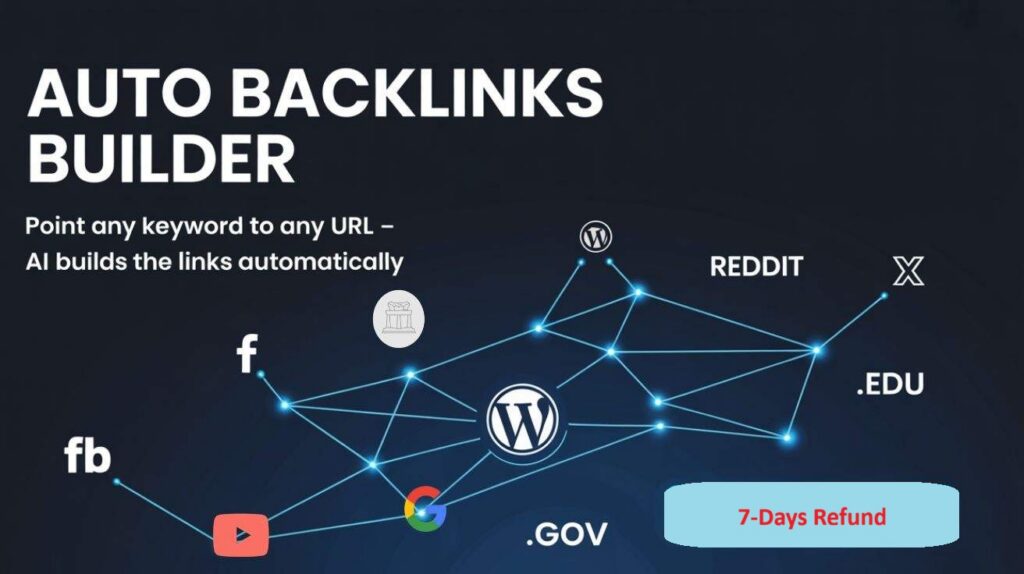
The rise of automated bidding strategies and Performance Max campaigns amplifies both opportunities and risks in Google Ads management. These AI-powered tools optimize toward defined success metrics, but they’re only as effective as the data they receive. Without accurate conversion tracking, automation can rapidly scale irrelevant traffic, wasting budget on unqualified leads. Bowen emphasizes that advertisers must establish clear success definitions beyond surface metrics like clicks and impressions, focusing instead on qualified leads and actual revenue impact. Auto Backlinks Builder and similar automated tools require the same principle – strong foundational tracking before implementation. The key is implementing guardrails such as cost-per-click limits and conversion value thresholds to prevent automated systems from pursuing extreme optimization paths. Testing new AI features requires measured approaches with clearly defined success criteria rather than blind adoption of emerging technologies.

Source: Pete Bowen talks about why Google Ads is not just about clicks