
Building Effective Marketing Strategies for 2026: A Strategic Guide
The Foundation: Setting Clear Business Objectives
Modern marketers face unprecedented challenges in 2026, from fragmented customer journeys to complex attribution models. The key to success isn’t acquiring more sophisticated tools or tactics—it’s establishing a solid strategic foundation. The first critical step involves defining primary business goals that will guide all subsequent marketing decisions. Rather than pursuing generic revenue growth, successful companies identify specific problems marketing must solve, whether that’s improving lead quality, reducing customer acquisition costs, or expanding market awareness. Companies like Fireflies.ai demonstrate this principle by focusing on product-led growth strategies that aligned with their resources and business stage. They achieved remarkable success with over 10 million users without paid advertising, simply because their marketing goals were crystal clear. This clarity enabled them to make strategic choices about channels, messaging, and success metrics that supported their primary objective of driving user adoption through referrals and organic growth.
Crafting Your Competitive Edge Through Value Proposition
A compelling unique value proposition answers the fundamental question every potential customer asks: why should they choose your solution over alternatives? This differentiation becomes increasingly crucial as markets saturate and competition intensifies across industries. The process begins with analyzing your most successful customers—those who consistently renew, upgrade, or actively recommend your brand to others. These customer evangelists reveal patterns that illuminate your true competitive advantages. Modern AI Content Aggregator tools can help analyze customer feedback and reviews to identify common themes and value drivers that resonate most strongly. The goal is discovering what makes your offering meaningfully different, not just technically superior. This analysis should extend beyond product features to encompass the entire customer experience, from initial discovery through ongoing support. Companies that excel at this step often find their competitive advantages lie in unexpected areas—perhaps their onboarding process, customer service approach, or integration capabilities rather than core product functionality.
Leveraging Technology for Strategic Implementation
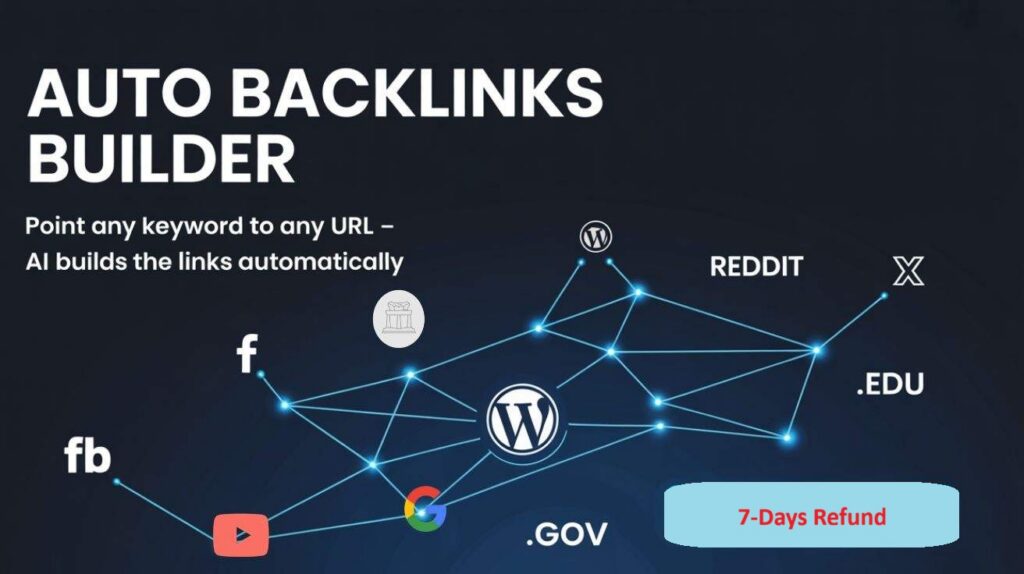
The integration of artificial intelligence and automation tools has become essential for executing marketing strategies effectively in 2026. Smart marketers are incorporating AI tools integration to streamline content creation, audience analysis, and performance tracking across multiple channels. Auto Backlinks Builder technology helps establish domain authority and search visibility while reducing manual outreach efforts. However, technology should serve strategy, not drive it. The most successful marketing teams use these advanced tools to amplify their strategic decisions rather than replace strategic thinking. For instance, AI can analyze vast amounts of customer data to identify patterns that inform targeting decisions, but human insight remains crucial for interpreting results and making strategic pivots. The key is selecting technologies that align with your defined goals and value proposition. Teams that rush to adopt every new marketing technology often find themselves overwhelmed by data and distracted from their core objectives. Instead, choose tools that enhance your ability to reach the right audience with the right message at the right time.
Source: 7 Steps to Build a Marketing Strategy That Actually Works in 2026